If you want to buy the best monoculars for hiking and keep going back and forth between options that either weigh too much or cut too many corners on glass quality, I have done the comparison work for you. Hiking demands a very specific kind of monocular.
It needs to be light enough that you carry it, durable enough to take a knock inside a pack, and optically clear enough to make pulling it out worth the effort. A cheap monocular with soft edges and poor contrast does not enhance a hike. It frustrates it.
The five picks in this guide span different price points and use cases, from ultracompact summit carry to mid-weight premium glass for serious wildlife observation on trail.
I cover what each one does well, where it falls short, and who it fits best so you can make a confident call before you spend your money.
Best Monoculars Comparison
| Image | Name | Key Features | Check Price |
|---|---|---|---|
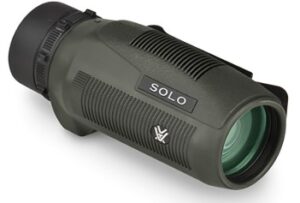 |
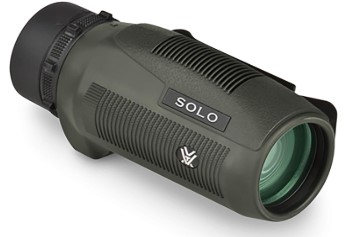
Vortex Solo 8×36 | 8x magnification, 36mm objective, BaK-4 prisms, multi-coated, 393 ft FOV at 1000 yds, MRAD reticle, 9 oz, waterproof, nitrogen purged, VIP lifetime warranty | Check Price |
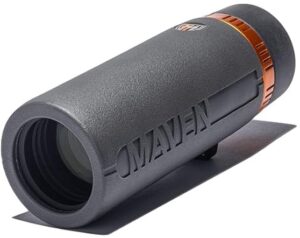 |
Maven CM.1 8×36 | 8x magnification, 36mm objective, ED glass, dielectric-coated prisms, fully multi-coated, polymer frame, nitrogen purged, water-sealed, 10.2 oz | Check Price |
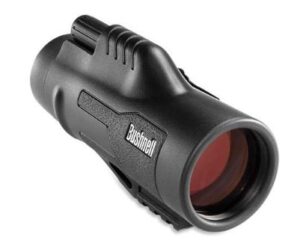 |
Bushnell Legend Ultra HD 10×42 | 10x magnification, 42mm objective, ED Prime fluorite glass, BAK-4 prisms, fully multi-coated, Rainguard HD, magnesium chassis, 13.2 oz, lifetime warranty | Check Price |
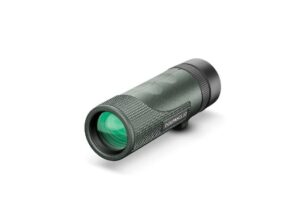 |
Hawke Endurance ED 8×25 | 8x magnification, 25mm objective, ED glass, BAK-4 prisms, fully multi-coated, 5.3 oz, nitrogen purged, waterproof, 16mm eye relief, twist-up eyecup | Check Price |
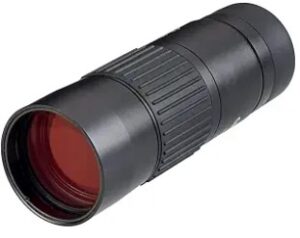 |
Opticron DBA VHD+ 10×42 | 10x magnification, 42mm objective, ED glass, dielectric phase-corrected prisms, VHD+ flat field system, fully multi-coated, 315 ft FOV at 1000 yds, waterproof | Check Price |
Now that you can compare the five side by side, let me go deeper on each one. Below I break down exactly why each monocular made this list, how it performs on trail, and who it is built for. Here we go.
1) Vortex Solo 8×36 (Best Overall Monocular for Hiking)
The Vortex Solo 8×36 has become one of the most recommended monoculars in hiking communities for a straightforward reason: it covers everything the average hiker needs without asking you to overpay or overprepare. Vortex Optics, founded in 2004 in Barneveld, Wisconsin, built their business on the principle that strong optical performance and honest value should not be mutually exclusive. The VIP warranty, which stands for Very Important Promise, is unconditional and lifetime. It covers accidental damage with no questions, no receipt required, and no hidden fees. For a piece of gear you are carrying in a pack and pulling out on exposed ridgelines and rocky descents, that warranty is not a minor footnote. It is a genuine reason to choose this monocular over competing options that offer equivalent glass but inferior support.
The 8×36 configuration hits the ideal balance point for hiking. The 8x magnification keeps the image stable enough for handheld use without a support, which matters on trail where you are not always standing on flat, steady ground. The 36mm objective lens produces a generous 4.5mm exit pupil, which means the image is bright and comfortable even in the shaded conditions that hikers regularly encounter in forest canopy, canyon walls, and late afternoon valley light. The field of view of 393 feet at 1000 yards is the widest on this list, which is a practical advantage for scanning terrain, locating wildlife before it moves, and situational awareness on open ridge traverses.
The BaK-4 prisms and multi-coated optics produce a clean, bright image that Vortex users consistently describe as outperforming the price. The rubber armored body is O-ring sealed and nitrogen purged, which means it handles rain, stream crossings, and condensation from sudden temperature drops without internal fogging. The built-in MRAD ranging reticle adds navigation utility for hikers who want to estimate distances to landmarks without a separate rangefinder. At 9 oz it is the lightest monocular on this list, which sounds like a small number until you have been carrying extra weight for eight miles and every ounce matters. The twist-up eyecup accommodates eyeglass wearers and the top-mounted focus wheel enables fast, smooth one-handed adjustment. For a hiker who wants the best combination of weight, value, and field confidence, the Solo 8×36 is a near perfect answer.
One practical note: the included neck lanyard is reported by many users to feel cheap and uncomfortable on longer hikes. Most hikers swap it for a wrist lanyard or a chest harness adapter on their first outing, but the core monocular itself has drawn nothing but praise across years of user reports from serious trail users.
Key Features
| Magnification | 8x |
| Objective Lens | 36mm |
| Exit Pupil | 4.5mm |
| Prism Type | BaK-4 roof prism |
| Coating | Multi-coated |
| Field of View | 393 ft at 1000 yards (widest on this list) |
| Weight | 9 oz (lightest on this list) |
| Waterproofing | O-ring sealed, nitrogen purged |
| Reticle | MRAD ranging reticle |
| Warranty | Vortex VIP unconditional lifetime warranty |
Pros
- 9 oz is the lightest option on this list, making it the easiest monocular to forget you are carrying
- 393 ft field of view at 1000 yards is the widest on the list, ideal for terrain scanning and wildlife spotting
- VIP unconditional lifetime warranty covers accidental damage with no receipt and no questions
- 8x magnification keeps the image stable for confident handheld use on uneven terrain
- Nitrogen purged weatherproofing handles rain, stream mist, and rapid temperature swings
- MRAD reticle adds distance estimation utility without carrying a separate rangefinder
Cons
- The included neck lanyard is cheap and uncomfortable for long hikes, most users replace it immediately with a wrist lanyard or clip attachment
The Vortex Solo 8×36 is the hiking monocular that earns its spot in the pack and stays there for years. Light, capable, backed by the best warranty in the business, and priced fairly. Go check it out and see why it is the first monocular most serious hikers recommend to anyone asking for a starting point.
2) Maven CM.1 8×36 (Best Premium Mid-Weight Monocular for Hiking)
Maven is a direct-to-consumer optics company based in Lander, Wyoming, and they have built a loyal following among serious backcountry hunters and hikers by doing something that bigger optics brands rarely do: offering genuinely premium glass at prices that cut out the retail markup. The CM.1 is Maven’s monocular offering, and it has drawn comparisons to optics that cost significantly more from established European and American brands. Independent reviewers with access to high-end glass consistently describe the CM.1’s image as on par with monoculars in the $400 to $600 range while coming in well below that benchmark. For a hiker who wants real optical quality without crossing into premium territory, the CM.1 represents exceptional value.
The glass story inside the CM.1 is what separates it from the Vortex Solo at a similar price tier. Maven uses ED, extra-low dispersion glass in the CM.1’s objective lens assembly, which corrects the chromatic aberration that causes color fringing around high-contrast edges in standard glass. On trail, that means tree branches against a bright sky, wildlife silhouettes against open meadows, and distant peaks against cloud backgrounds all appear with clean, color-accurate edges rather than the purple or green fringes that reveal the optical weakness of cheaper monoculars. The dielectric-coated prisms produce near-total reflectivity inside the optical path, which means more of the light that enters the front lens actually reaches your eye as a usable image.
The polymer frame on the CM.1 keeps weight at a practical 10.2 oz while providing a rugge, grippy exterior that feels secure in sweaty hands on a summer climb or gloved hands on a cold alpine morning. The nitrogen purged and water-sealed construction handles field conditions without internal fogging. The focus wheel sits in a natural position for one-handed operation, though some users note that the focus wheel is slightly stiffer than competing monoculars at this size, which requires a more deliberate adjustment motion when dialing in on moving subjects. This is a minor complaint in the context of an otherwise excellent piece of glass, and it tends to smooth out with break-in use.
Maven offers the CM.1 with a direct-to-consumer warranty and a level of customer service that small company buyers consistently praise. The company is genuinely responsive and operates with the kind of transparency that larger brands often lack. For a hiker who wants to step up from entry-level glass to something that delivers a noticeably better viewing experience without paying European luxury optics prices, the Maven CM.1 is the smartest mid-range investment on this list.
Key Features
| Magnification | 8x |
| Objective Lens | 36mm |
| Glass Type | ED extra-low dispersion glass |
| Prism Type | Dielectric-coated roof prisms |
| Coating | Fully multi-coated |
| Weight | 10.2 oz |
| Waterproofing | Nitrogen purged, water-sealed |
| Frame | Grippy polymer with rubber armor |
| Brand | Direct to consumer, USA based, Lander WY |
Pros
- ED glass corrects chromatic aberration for clean, color-accurate edges on high-contrast subjects in bright outdoor conditions
- Dielectric-coated prisms maximize light transmission for a noticeably brighter and more detailed image than standard BaK-4 setups at this price
- Direct-to-consumer pricing delivers genuinely premium optical performance below what equivalent glass costs from larger brands
- Grippy polymer construction handles sweaty and gloved hands reliably across varying temperature conditions
- Nitrogen purged waterproofing handles rain, condensation, and rapid elevation related temperature swings
- Strong independent field reviews consistently rate it above its price class in image quality and color fidelity
Cons
- The focus wheel is stiffer than competing monoculars at this size, requiring more deliberate adjustment when tracking fast-moving subjects like birds flushing from trail cover
The Maven CM.1 is the monocular that consistently surprises hikers the first time they look through it. Premium glass at a price that actually makes sense for a piece of trail gear. Go check it out and see what Wyoming built optics deliver in the field.
3) Bushnell Legend Ultra HD 10×42 (Best ED Glass Monocular for Serious Trail Birders and Wildlife Observers)
Bushnell has been producing sport optics since 1948, and the Legend Ultra HD line represents the highest standard the company applies to their mid-range products. The 10×42 monocular version of the Legend Ultra HD is the choice for the hiker who does serious wildlife observation on trail and needs the combination of ED glass performance, a 42mm light gathering aperture, and the reach that 10x magnification provides for identifying distant subjects. Birding hikers in particular consistently recommend this monocular because the combination of chromatic aberration correction from the ED fluorite glass and the fully multi-coated optics with Ultra Wide Band coating produces a true-to-life color image that makes plumage identification accurate rather than approximate.
The ED Prime fluorite glass is the primary reason this monocular makes the list above several comparably priced options. Fluorite extra-low dispersion glass reduces color fringing around high-contrast edges by focusing all wavelengths of visible light to a single point rather than allowing different colors to focus at slightly different distances, which is the root cause of chromatic aberration. For a wildlife observer trying to identify a distant hawk on a pale sky or a shorebird at a bright waterline, that optical correction is the difference between a confident identification and a frustrating blur. Bushnell’s Rainguard HD exterior coating causes moisture to bead off the front lens rather than sheeting across it, which keeps the view clean in the drizzle and mist that are common on mountain trails and coastal hikes.
The magnesium alloy chassis is one of the construction details that distinguishes the Legend Ultra HD from polymer body competitors at a similar price. Magnesium alloy is significantly more rigid than polycarbonate, which means the optical elements inside stay in precise alignment even after the bumps and knocks a monocular takes inside a pack over months of hiking. That alignment stability preserves the sharpness and color accuracy of the image over the long term in a way that less rigid housings cannot match. The weight is 13.2 oz, which is the heaviest on this list, but still entirely reasonable for a 42mm aperture monocular with a magnesium body.
The top-mounted focus wheel sits where your index finger naturally rests in a one-hand grip, making single-hand focus adjustment fast and intuitive. The built-in Picatinny rail and 1/4-20 tripod adapter make it easy to stabilize on a pack strap or tripod for extended observation sessions when you stop to glass a valley or a ridgeline. Bushnell backs the Legend Ultra HD with a lifetime warranty. For any hiker who takes wildlife observation seriously and wants a monocular that delivers accurate, detailed images in every lighting condition encountered on trail, this is the benchmark purchase in its price range.
Key Features
| Magnification | 10x |
| Objective Lens | 42mm |
| Glass Type | ED Prime fluorite extra-low dispersion glass |
| Prism Type | BAK-4 roof prism |
| Coating | Fully multi-coated, Ultra Wide Band, Rainguard HD |
| Housing | Magnesium alloy, rubber armored |
| Weight | 13.2 oz |
| Waterproofing | O-ring sealed, nitrogen purged |
| Extras | Picatinny rail, 1/4-20 tripod adapter, belt clip |
| Warranty | Lifetime warranty |
Pros
- ED Prime fluorite glass produces color-accurate images with zero chromatic aberration, essential for accurate wildlife and bird identification
- Rainguard HD coating keeps the front lens clear in drizzle and trail mist without needing to wipe between observations
- Magnesium alloy chassis maintains optical alignment better than polycarbonate under long-term pack abuse
- 10x magnification provides genuine reach for identifying distant wildlife without increasing body size significantly
- Tripod adapter and Picatinny rail add stability options for extended stops and serious wildlife glassing sessions
- Lifetime warranty from a 75-year-old American optics company with a strong service track record
Cons
- At 13.2 oz it is the heaviest option on this list, which becomes a meaningful factor on long distance high mileage hikes where every ounce carried all day adds up
The Bushnell Legend Ultra HD 10×42 is the monocular for the hiker who treats wildlife observation as seriously as the hike itself. If you want accurate, detailed optics in a rugged mid-weight package at a fair price, go check it out and see what ED fluorite glass delivers on the trail.
4) Hawke Endurance ED 8×25 (Best Ultracompact Monocular for Lightweight Hikers)
Hawke Sport Optics is a British brand that has been producing quality optics since 1992, and the Endurance ED line is where they put their best glass in their most compact housings. The 8×25 configuration is the choice for the ultralight and fastpacking community, where the primary constraint is always weight and volume and where anything that cannot justify its presence on a ounce-by-ounce basis gets left at the trailhead. The 8×25 slips into a chest pocket, clips to a shirt or harness strap, and disappears into a hip belt pouch. It weighs a remarkable 5.3 oz and is small enough that most hikers stop noticing they are carrying it after the first hour.
What makes the Hawke Endurance ED particularly impressive at its size class is the inclusion of actual ED glass. Most 25mm compact monoculars at this price point use standard crown glass and accept the chromatic aberration that comes with it, because the assumption is that a compact monocular buyer is prioritizing portability over optical precision. Hawke challenged that assumption in the Endurance ED and produced a 25mm optic that delivers genuinely clean, color-true images free of the color fringing that makes many competing compact monoculars frustrating to use for extended wildlife observation. The BAK-4 prisms and fully multi-coated optics maximize the limited light gathering capacity of the 25mm aperture, producing a bright and clear image for a scope of this size.
The 16mm eye relief is one of the best specifications for the size class and provides a full field of view for both eyeglass and non-eyeglass wearers without requiring the monocular to be pressed against the eye socket. The twist-up eyecup locks cleanly in both the extended and retracted positions and does not creep during use. The nitrogen purging and O-ring waterproofing give the Endurance ED genuine all-weather capability, which is essential for a trail optic because lightweight hikers often move fast through variable weather and do not have the luxury of carefully stowing gear before the rain arrives.
The 3mm exit pupil at 8×25 is the one genuine limitation of this configuration. In bright daylight conditions it is irrelevant. In dim forest shade or at dusk when light levels drop, the small exit pupil produces a noticeably darker image than the 36mm and 42mm options on this list. For hikers who do most of their observing during the day and want the smallest possible optic for the trail, this is the right tradeoff. For hikers who do a lot of dawn and dusk observation, a larger aperture option is worth the weight penalty.
Key Features
| Magnification | 8x |
| Objective Lens | 25mm |
| Exit Pupil | 3mm |
| Glass Type | ED extra-low dispersion glass |
| Prism Type | BAK-4 roof prism |
| Coating | Fully multi-coated |
| Eye Relief | 16mm |
| Weight | 5.3 oz |
| Waterproofing | O-ring sealed, nitrogen purged |
| Eyecup | Twist-up locking design |
Pros
- At 5.3 oz it is one of the lightest ED glass monoculars available, making it the ideal choice for ultralight and fastpacking setups where every gram is scrutinized
- ED glass corrects chromatic aberration in a 25mm compact, a feature most competing compact monoculars at this size do not include
- 16mm eye relief provides full field of view for eyeglass wearers without pressing the monocular against the face
- Compact enough to fit in a chest pocket, hip belt pouch, or shirt pocket without creating bulk
- Nitrogen purged weatherproofing handles fast-changing trail conditions without requiring careful gear management
- Locking twist-up eyecup stays in position reliably without creeping during use
Cons
- The 3mm exit pupil at 8×25 limits low light performance in shaded forests and at dusk, making it less suited for dawn and dusk wildlife observation compared to larger aperture options on this list
The Hawke Endurance ED 8×25 is the monocular for the hiker who takes grams seriously and refuses to accept blurry, color-fringed optics just because they want a light carry. ED glass in a pocket-sized package is genuinely impressive. Go check it out and see what it weighs against what it delivers.
5) Opticron DBA VHD+ 10×42 (Best Premium High-End Monocular for Serious Hikers)
The Opticron DBA VHD+ 10×42 is the premium option on this hiking list, and it earns that designation through a single feature that separates it from every other monocular in this guide: the VHD+ flat field optical system with field-flattener lenses. Opticron is a British company founded in 1970, and the VHD+ designation refers to a Variable High Definition Plus optical design that addresses the most persistent frustration in mid-range monocular optics, which is the tendency for images to be sharp at the center but soft and curved at the edges. Standard monoculars do not achieve flat fields because it requires additional optical elements that add cost and complexity. The DBA VHD+ includes those elements and the result is an image that is perfectly sharp and flat from the center to the very edge of the field, in a way that makes looking through a standard monocular afterward feel like a noticeable downgrade.
For a hiking context, flat field performance is more than a comfort upgrade. When you are scanning terrain on a ridge traverse, sweeping a treeline for wildlife, or tracking a bird across a meadow, the edge-to-edge sharpness of the DBA VHD+ allows you to see what is happening at the periphery of the image without needing to center the subject. On a standard monocular, objects near the edge of the field are soft enough to miss. On the VHD+, everything in the field is equally sharp. Hikers who have used both describe it as a qualitative shift in how much information the optic delivers during a single viewing session.
The ED extra-low dispersion glass combined with phase-corrected dielectric-coated roof prisms delivers color fidelity and contrast that holds up under the demanding outdoor lighting conditions that hikers face, including backlit subjects, direct sun, and deep forest shade. The dielectric coatings produce near-total reflectivity inside the prism system, maximizing the brightness of the exit image. The wide 315 foot field of view at 1000 yards is spacious and comfortable for extended glassing sessions at stops along the route. The fully waterproof construction and robust build quality reflect Opticron’s premium manufacturing standards, and the compact form factor of the 42mm body keeps weight manageable for a premium optic of this class.
The DBA VHD+ does not include a tripod adapter socket as standard, which is a limitation for hikers who want to stabilize on a trekking pole or tripod during extended observation. This is a real consideration for buyers who do long summit sits and glassing sessions. For mobile, on-the-go wildlife observation where you are pulling the monocular out for quick scans and moving on, it is not a meaningful constraint.
Key Features
| Magnification | 10x |
| Objective Lens | 42mm |
| Glass Type | ED extra-low dispersion glass |
| Prism Type | Phase-corrected dielectric-coated roof prisms |
| Optical System | VHD+ flat field with field-flattener lenses |
| Coating | Fully multi-coated anti-reflection optics |
| Field of View | 315 ft at 1000 yards |
| Edge Performance | Flat field, no edge distortion |
| Waterproofing | Fully waterproof |
Pros
- VHD+ flat field optics with field-flattener lenses deliver edge-to-edge sharpness that no standard monocular at any price can match
- ED glass with dielectric phase-corrected prisms produces accurate, high-contrast color images in every trail lighting condition
- Hikers who have used both VHD+ and standard optics consistently describe it as a visible, immediate quality upgrade
- Wide 315 ft field of view at 1000 yards is spacious and comfortable for terrain scanning and wildlife tracking
- Compact 42mm body keeps weight manageable for a premium optic at this glass level
- Built to Opticron’s premium manufacturing standards with full waterproofing for trail conditions
Cons
- No standard tripod adapter socket, which limits stabilization options for hikers who do extended glassing sessions at stationary stops
The Opticron DBA VHD+ 10×42 is the monocular that changes what hikers expect from an optic. Once you have seen a perfectly flat, edge-sharp field through this glass, standard monoculars feel like a compromise. Go check it out and see what premium flat field optics feel like when you take them on the trail.
Conclusion
A monocular earns its place in a hiking pack by being light enough to carry without noticing and sharp enough to make pulling it out worthwhile. The five options in this guide cover the full spectrum from ultralight pocket carry to premium flat field optical performance, and every one of them delivers genuine image quality that enhances the experience of moving through wild terrain.
Whether you are scanning a ridgeline for mountain goats, identifying a distant hawk, spotting a route line on a technical climb, or simply watching the sunset on an elk meadow, the right monocular from this list will show you more than your naked eye ever could at a weight that does not compromise the hike.
Choose the one that fits how you move and what you want to observe. Then go find the view that makes it worth carrying.
See Also: 5 Best Monoculars for Stargazing

I’m Jake, a dedicated shooter and hunter who has spent years testing rifles, scopes, and gear in the field. I write from real experience, sharing what truly works, not what’s trendy. My goal is to give you honest, practical insights that help you make the right choices for your adventures and pursuits.

