The best rangefinder for hunting removes the single biggest variable in making an ethical, accurate shot, knowing your actual distance to the target rather than estimating and hoping your holdover guess is close enough.
A good hunting rangefinder needs enough range to cover realistic shooting distances for your quarry and terrain, angle compensation for anyone hunting from elevation or into a valley, and a display that stays readable in low light without giving away your position with a bright glow.
Our top pick for most hunters is the Vortex Ranger 1800, which combines genuinely strong reflective and deer ranging distance with angle compensated readings at a price well below flagship rangefinding binoculars.
Best Rangefinders for Hunting Comparison
| Image | Name | Key Features | Check Price |
|---|---|---|---|
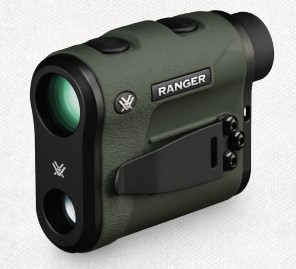 |
Vortex Ranger 1800 | 1800 yard reflective range, HCD angle compensation to 60 degrees | Check Price |
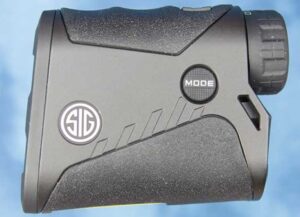 |
Sig Sauer Kilo850 | Compact, 4x magnification, angle modified range, fast refresh | Check Price |
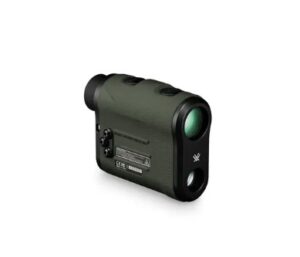 |
Vortex Ranger 1300 | Genuine mid range value, HCD angle compensation | Check Price |
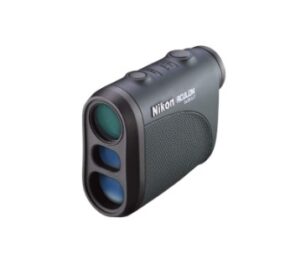 |
Nikon Aculon AL11 | Ultra compact, genuinely affordable entry point | Check Price |
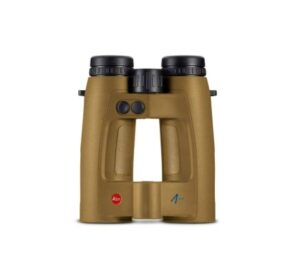 |
Leica Geovid 10×42 | Rangefinding binocular, premium glass and ranging in one unit | Check Price |
Each of these rangefinders targets a different priority, from maximum range to genuine pocket portability to combining optics and ranging in a single device. Here is what makes each one stand out.
1) Vortex Ranger 1800 – Best Overall
The Vortex Ranger 1800 earns the top spot for most hunters with a genuinely strong published range, up to 1800 yards on reflective targets and around 900 yards on deer sized game, covering essentially any realistic hunting shot without needing to step up to a rangefinding binocular. The Horizontal Component Distance angle compensation mode reads angles up to plus or minus 60 degrees, giving bow and rifle hunters an accurate horizontal shooting distance rather than a raw line of sight number that would throw off a steep uphill or downhill shot.
Fully multi-coated lenses and rubber armor construction keep this unit durable and usable in real field conditions, and it runs on a widely available CR2 battery rather than a proprietary cell.
Key Features
| Spec | Detail |
|---|---|
| Max range (reflective / deer) | 1800 yards / approximately 900 yards |
| Angle compensation | HCD mode, plus or minus 60 degrees |
| Magnification | 6x, 22mm objective |
| Battery | CR2 |
Pros
- Genuinely strong range covers nearly any realistic hunting shot
- HCD angle compensation handles steep hunting terrain accurately
- Durable, weather resistant build
Cons
- Larger and heavier than a compact pocket rangefinder
For most hunters this is the rangefinder to check first.
2) Sig Sauer Kilo850 – Best Compact Design
The Sig Sauer Kilo850 packs genuinely useful features into a compact 4.9 ounce body, including an integrated inclinometer with Angle Modified Range technology that automatically adjusts your displayed distance for uphill or downhill shots, a real practical advantage for treestand and mountain hunters alike. The Lightwave DSP engine refreshes readings four times per second, which genuinely helps when ranging a moving target rather than a stationary one.
Reaching up to 1200 yards on reflective targets, with realistic ranges around 800 yards on trees and 600 yards on deer, this unit covers the vast majority of hunting scenarios in a genuinely pocketable size.
Key Features
| Spec | Detail |
|---|---|
| Max range (reflective / deer) | 1200 yards / approximately 600 yards |
| Angle compensation | Angle Modified Range, integrated inclinometer |
| Magnification | 4x, 20mm objective |
| Weight | 4.9 ounces |
Pros
- Genuinely compact and lightweight for all day carry
- Fast four times per second refresh helps with moving targets
- Automatic angle compensation built in
Cons
- Shorter effective deer ranging distance than the Vortex Ranger 1800
Treestand and backcountry hunters who want a genuinely compact unit should check this out.
3) Vortex Ranger 1300 – Best Mid Range Value
The Vortex Ranger 1300 brings the same HCD angle compensated ranging technology as its larger 1800 sibling into a more affordable package, with a published range that comfortably covers the realistic shooting distances most hunters actually encounter. For a hunter who does not need the outer limits of the 1800’s reflective range, this model delivers genuinely comparable core functionality at a lower price.
Built around the same rugged, weather resistant design philosophy as the rest of the Vortex Ranger line, this unit runs on a standard CR2 battery and carries Vortex’s warranty backing.
Key Features
| Spec | Detail |
|---|---|
| Magnification | 6x, 22mm objective |
| Angle compensation | HCD mode |
| Battery | CR2 |
| Standout feature | Core Ranger 1800 technology at a lower price |
Pros
- Genuinely strong value against the flagship Ranger 1800
- Same HCD angle compensation technology
- Backed by Vortex’s warranty
Cons
- Shorter maximum range than the Ranger 1800 for extreme distance shots
Hunters who want Vortex’s core rangefinding technology at a lower price should look at this one.
4) Nikon Aculon AL11 – Best Budget Pick
The Nikon Aculon AL11 proves a genuinely useful hunting rangefinder does not need to cost much, delivering accurate ranging out to 550 yards in an ultra compact body that Nikon built specifically for pocket portability. At just 4.4 ounces, this is one of the lightest and smallest rangefinders a hunter can carry, making it an easy addition to a hunting pack without adding noticeable bulk.
Water resistant construction handles rain and damp field conditions, though it stops short of full waterproofing, and the single CR2 battery with an 8 second auto shutoff helps preserve battery life across a long hunting season.
Key Features
| Spec | Detail |
|---|---|
| Max range | 550 yards |
| Magnification | 6x, 20mm objective |
| Weight | 4.4 ounces |
| Price tier | Genuinely budget friendly |
Pros
- Genuinely strong value for a hunter’s first rangefinder
- Ultra compact and lightweight for pocket carry
- Simple, straightforward operation
Cons
- No angle compensation, and shorter maximum range than the pricier options here
Hunters who want a simple, affordable rangefinder for typical hunting distances should check this out.
5) Leica Geovid 10×42 – Best Rangefinding Binocular
The Leica Geovid combines a genuinely premium 10×42 hunting binocular with an integrated laser rangefinder, solving the problem of carrying two separate optics for glassing and ranging by putting both functions in one device. For a hunter who glasses extensively before ranging a target, rather than ranging opportunistically as animals appear, this combined approach is a genuine convenience worth the added investment.
Leica’s optical reputation shows clearly in the glass quality here, delivering the kind of edge to edge clarity and low light performance that a dedicated premium binocular offers, with accurate ranging built directly into the same housing.
Key Features
| Spec | Detail |
|---|---|
| Magnification | 10×42 |
| Format | Rangefinding binocular |
| Standout feature | Premium glass and ranging combined in one unit |
Pros
- Genuinely premium optical quality for glassing and ranging alike
- Combines two devices into one, reducing gear to carry
- Leica’s well earned optical reputation
Cons
- Premium price reflects the combined binocular and rangefinder format
Serious glassing hunters who want to consolidate their optics should give this one a close look.
What to Look For in a Hunting Rangefinder
Maximum range matters less than the realistic ranging distance on your actual quarry, since published reflective target ranges are always considerably longer than what the same unit achieves on a deer or elk sized animal with lower reflectivity. Look specifically at a unit’s stated deer or game ranging distance, not just its headline reflective number, when comparing models.
Angle compensation is genuinely important for any hunter shooting from a treestand, an elevated blind, or mountainous terrain, since a raw line of sight distance can meaningfully overstate the horizontal distance your bullet or arrow actually needs to travel on a steep angle. A rangefinder with HCD or Angle Modified Range technology corrects for this automatically.
Size and weight deserve real consideration based on how you hunt. A backcountry or treestand hunter carrying gear all day benefits from a compact, lightweight unit, while a hunter who spends most of their time glassing open country from one position may prefer the combined convenience of a rangefinding binocular despite its added bulk.
Frequently Asked Questions
What is the difference between reflective range and deer range on a rangefinder?
Reflective range describes the maximum distance a unit can range a highly reflective target like a road sign or building, while deer range reflects the realistic distance on a lower reflectivity, natural target. Always compare the deer or game ranging figure when evaluating a rangefinder for hunting.
Do I need angle compensation for hunting?
Yes if you hunt from a treestand, an elevated blind, or in mountainous terrain, since a steep shooting angle changes the actual horizontal distance your shot needs to account for. Flat ground hunters benefit less but still find it useful in variable terrain.
Is a rangefinding binocular worth the extra cost over a standalone rangefinder?
It depends on how you hunt. A hunter who glasses extensively before ranging benefits genuinely from combining both functions in one device, while a hunter who ranges opportunistically as animals appear may prefer a dedicated compact rangefinder alongside separate binoculars.
How accurate are hunting rangefinders?
Most quality hunting rangefinders are accurate to within about a yard under good conditions, though accuracy can decrease at maximum range or on low reflectivity targets like dark colored, non reflective surfaces.
Conclusion
The best rangefinder for hunting gives you a confident, accurate distance before you commit to a shot, removing the guesswork that turns a good hold into a miss.
The Vortex Ranger 1800 earns our top recommendation with its strong range and reliable angle compensation, the Sig Sauer Kilo850 suits hunters who want a genuinely compact unit with automatic angle correction, the Vortex Ranger 1300 delivers core Ranger technology at a lower price, the Nikon Aculon AL11 is a smart budget choice for typical hunting distances, and the Leica Geovid rewards serious glassing hunters willing to invest in combined premium optics. Match your choice to your hunting style and typical terrain.
See Also: 5 Best Scopes for 17 WSM

I’m Jake, a dedicated shooter and hunter who has spent years testing rifles, scopes, and gear in the field. I write from real experience, sharing what truly works, not what’s trendy. My goal is to give you honest, practical insights that help you make the right choices for your adventures and pursuits.

